


Rethinking Company Directors Responsibilities in an Era of Persistent Uncertainty

The level of complexity a boardroom director has to face in his or her professional life has always been a subject to decipher. Nevertheless, of late, it has become more intricate, given the expanding scope of Company Directors' Responsibilities. The rise of precariousness is no longer a one-off occurrence but a regular state of affairs. Accelerated technological transformation, compliance overhauls, environmental pressures, geopolitical tensions, and shifting social expectations are challenging the very foundations that once underpinned strategic planning, accountability, governance mechanisms, and leadership.
This transforming environment invites a fundamental reconsideration of Company Directors Responsibilities and what is now expected from those who sit in the boardroom. Reliance on previous accomplishments, established practices, or traditional leadership methodologies is no longer sufficient in modern corporate life. The real challenges facing today’s boards demand a renewed focus on resilience, ownership, dynamic risk oversight, and a deeper commitment to effective corporate governance.

From Predictability to Persistent Uncertainty
A tacit belief in continuity was a main reason for building governance systems as far as the traceable corporate history goes. Disruptions were largely repetitive and particular to domains. Reliance on historical observance, anticipation and foresight-based surmises were methods of sound decision making. Case antecedents offered an outcome-based approach with factors of consideration, namely infrastructures, processes and systems.
That foundation has eroded.
Progress, nowadays, is being largely unpredictable with often no predictable outcomes. Foresight of undesirable events are getting more and more difficult to anticipate. Predicaments are no longer one-off occurrences but more of coordinated, given the multiplicity of factors, viz. environmental, technological, geopolitical and economic. Boards of directors, many a time, are middle of nowhere of dealing with several factors at once and are overwhelmed by a dearth of time, capabilities, experience and workforce.
Compounding this challenge is the reality that many organisations operate with little redundancy. Lean operating models, affordability pressures, and efficiency drives have reduced buffers. Resilience has often been sacrificed for optimisation. As a result, even relatively modest shocks can cascade into systemic crises.
During such occurrences, the age-old methodology of control, being prepared and anticipation does not work any longer. An approach on the directors' part as to the information being insufficient and the risk on the changing spree is required.
A Rethink of Responsible Leadership
Such transformations coerce a reformation in the constituents of CSR-led leadership and corporate excellence. The practices that were considered effective and impactful now seem useless and their implementation is regarded as ignorance if glanced at from a long-run sustainability and systemic risk vantage point.
The governance frameworks are still latched on to age-old practices of anticipation. In other words, instead of foreseeing newer trends, they focus on correlation of past occurrences with future ones. Nonetheless, boardroom directors are pretty much gauged on their abilities of risk management by investors, courts of law, society and regulatory bodies.
This type of recalibration gives rise to some uncomfortable questions as to the extent directors can be held at stake for results shaped by global forces well outside their control; the allocation of responsibility in scenarios arising from collective effort, automated mechanisms or environmental impact in the long run instead of discrete managerial decisions; etc.
These are no longer abstract philosophical issues. They are becoming central to boardroom deliberations, legal scrutiny, and reputational risk.
The Limits of Continuity in Governance and Regulation
Corporate governance frameworks and the overall regulatory and legal mechanism usually factor in some degree of continuity. Reporting cycles, review processes and ownership methodologies centre around the forethought of changes being well within control and sequence-based.
One of the primary agenda of boardrooms is the respective firms long-term success; however, the uncertainties are unpredictable. Year after year, investments ought to be justified in environments that are precarious when considering political leadership, logistical networks and direction-led policy.
Consultations, reconsiderations and timely reviews were regarded as sufficient are now considered faltering. With the acceleration of developments, the in-between time of adjustments needs to be reduced; this places more fatigue on directors.
On the other hand, reporting and regulatory compliance are on the surging spree. Despite their intention of transparency and stakeholder protection, innovation and initiation can be greatly impeded if perceived as over the top or not in alignment with implementational realities. In fact, some boards also consider getting out of the IPO list to evade such surmounting pressures, especially from regulators. This indicates the balance between responsibility and organisational management needs to be evenly met.
The privilege of limited liability undeniably carries obligations. Yet if those obligations become so onerous that they discourage capable individuals from serving as directors or inhibit responsible risk-taking, the system itself may become unsustainable.
Accountability in an Interconnected World
It is becoming more and more intricate to determine accountability and responsibility. During the initial corporate phase, job descriptions were clearer; it was easier to trace hierarchies for decision responsibility, corporate governance structures were very still as well. In times of oddities, pin-pointing a decision or the Achilles' heal leading to the devastation was very simple.
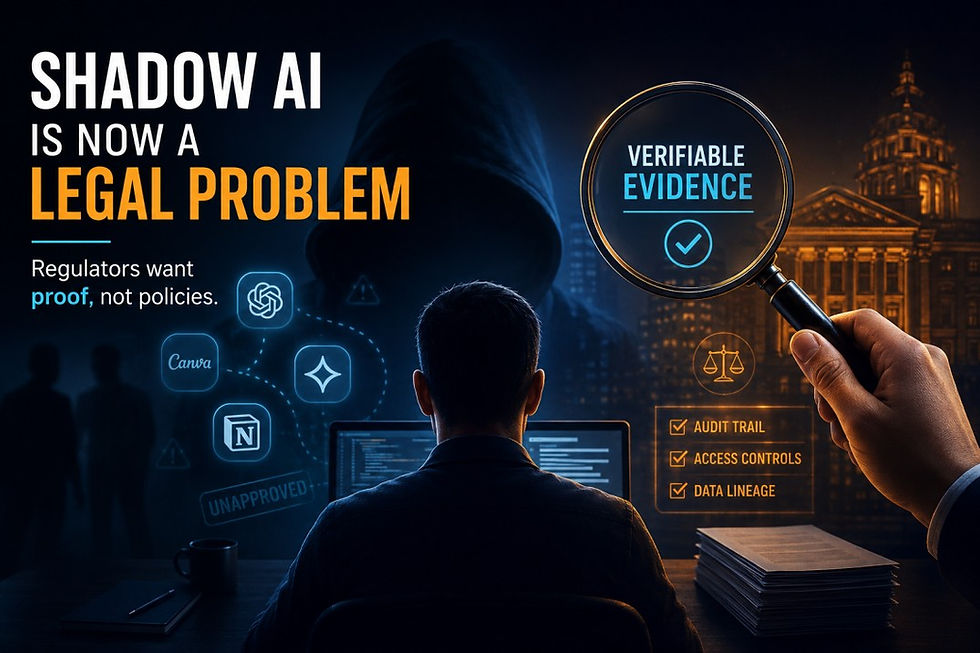
Today, many adverse outcomes arise from interconnected systems rather than isolated actions. Climate-related events, for example, can feel like “acts of God,” yet they are the cumulative result of decades of human activity across industries, geographies, and generations. Automated decision-making systems powered by artificial intelligence may disadvantage individuals without any single human consciously intending harm.
Aspects, viz. sustainability, compliance or code of conduct, which were earlier entrusted on a specific department are now organisation-wide practices. They are part of boardroom agendas since they cannot be delegated.
Moreover, boards themselves are more diverse, pluralistic, and heterogeneous than in the past. While this diversity enriches decision-making, it can also make consensus harder to achieve. Shared assumptions about “the right thing to do” are no longer guaranteed.
Entering a Transactional and Disruptive Era
Directors are also operating in a more transactional political and economic environment. Norms that once governed orderly transitions of power, respect for institutions, and adherence to established “rules of the game” are under strain.
Disruptions led by technological, political or economic matters may overthrow all the precedents. Hence, instead of making use of established systems, a new approach could be sought after. Opponents are pushed to the brink and proponents and investors get acknowledgements. Coalition of support is the priority here.
In this regard, boards often discover themselves being on the crossroads of steering through drastic policy changes, tariffs, trade, undue use of force and sanctions. Seemingly remote and potentially innocuous geopolitical stressors ought to have functional consequences. Risk is furthered by cyberattacks, hybrid conflicts and information warfare.
AI opens up a new spectrum. Automated systems that are trained on outdated and biased data may still impact a board member's decision-making capabilities. Changing algorithms, instead of explicit human judgement, giving out results can potentially jeopardise accountability.
Complexity, Compliance, and Cognitive Overload
For many directors and senior executives, the cumulative effect of these pressures is cognitive overload. The sheer volume of issues requiring attention—often simultaneously—can be overwhelming.
Compliance and reporting obligations continue to ratchet upwards. While large organisations may absorb these demands, they can be disproportionately burdensome for smaller businesses, start-ups, and firms expanding internationally. Differing regulatory regimes across jurisdictions add further complexity.
Citizens and stakeholders, meanwhile, may feel excluded or disempowered by opaque systems and automated processes. Frustration grows when even frontline service staff lack the knowledge or authority to resolve issues. This sense of exclusion can fuel distrust—not only of corporations, but of institutions more broadly.
For directors, these dynamics translate into heightened scrutiny and exposure. Board decisions are increasingly contested in public forums, on social media, and in courts of law. The margin for error feels narrower, even as uncertainty grows.
Unwelcome Consequences: Activism, Polarisation, and Pressure
Facing complex trade-offs and pressure to act quickly, directors often have little time for reflection. Decisions must be made before all implications are fully understood. The emotional toll of this environment should not be underestimated.
Challenges are furthered by polarisation and fragmentation. Algorithms in the works of social media are selective about extreme views. Groups that are highly organised, at times well-funded and outspoken ones, would insist on the adoption of specific policies and positions and thus hold boards and firms in their crosshairs.
Directors can find themselves “in the line of fire” of competing lobbies, each claiming moral or societal legitimacy. Calls for corporate activism may sit alongside pressure to avoid political engagement altogether. Navigating these tensions requires judgement, resilience, and a clear sense of organisational purpose.
What is more concerning is that disruptive forces may count in hostile state actors and criminal networks that vouch to undermine trust, infringe intellectual property and uproot institutions. Cyber sabotage, hybrid warfare and dissent lobbying shrink the edges between national security and organisational risk.
Bandwidth, Burnout, and Human Limits
The very idea that leaders do not lose their cool under destabilising situations is more of idealistic. Several boardroom directors reach their limits in the pursuit of calmness, optimism and decisiveness. This, undoubtedly has given rise to their burnouts, mental wellbeing and withdrawal.
The time required for thoughtful deliberation is eroded by fears of falling behind competitors or technological change. Massive investments in data centres and AI infrastructure, for example, carry environmental and social costs that boards must weigh against strategic imperatives.
Some pioneers already regard certain technologies as existential threats. With mounting scientific evidence of environmental harm, it becomes harder for directors to argue that risks were unknowable. Claims of ignorance may not withstand future scrutiny.
Insurance and legal frameworks, too, are under strain. As risks become more systemic and less predictable, some may become uninsurable. Directors’ and officers’ insurance terms may tighten, further discouraging capable individuals from board service.
What This Means for Directors and Boards
The implications for directors are profound. Core board responsibilities—strategy, risk oversight, governance, and stewardship—are all affected.
Providing strategic direction becomes more problematic when the future is highly uncertain. Establishing risk appetite is harder when risks are interconnected, dynamic, and sometimes existential. Governance systems have limits, and those limits are increasingly being tested.
With consensus more elusive and demands escalating, being a director can feel like “riding a tiger.” The question of why someone should take on such responsibilities—and what incentives or protections are appropriate—becomes more pressing.
Boards may struggle to recruit and retain suitable candidates, particularly in sectors exposed to intense scrutiny or politicisation. Autocratic demands, denial of scientific evidence, and pressure to support ethically questionable policies may arise simultaneously.
Towards a New Expectation of Directorship
Rethinking expectations does not mean lowering standards. If anything, it means recognising that the role of a director now requires broader judgement, deeper resilience, and greater moral courage than ever before.
Directors must be prepared to:
Operate without the comfort of precedent
Make decisions under radical uncertainty
Balance accountability with systemic complexity
Protect organisational integrity amid polarisation
Safeguard human wellbeing—both their own and others’
This also implies a need for better collective support. Forums where directors can share experiences, discuss dilemmas, and reflect on emerging risks are no longer optional—they are essential. Continuous learning, peer dialogue, and institutional renewal must become integral to governance practice.
Conclusion: Governance at a Crossroads
The business environment confronting directors today is not merely more demanding—it is fundamentally different. Old assumptions about predictability, accountability, and control are being tested by forces that transcend organisational boundaries.
In this context, rethinking expectations of company directors is not an academic exercise. It is a practical necessity. Governance systems, regulatory frameworks, and societal expectations must evolve alongside the realities directors face.
Ultimately, the challenge is not just to survive uncertainty, but to lead responsibly within it—to provide stewardship when the path ahead is unclear, and to uphold trust when institutions themselves are under strain.
The future of corporate governance may depend on how honestly and thoughtfully we confront these realities today.
Our Directors’ Institute - World Council of Directors can help you accelerate your board journey by training you on your roles and responsibilities to be carried out efficiently, helping you make a significant contribution to the board and raise corporate governance standards within the organisation.


Comments